
Permeable Driveways in Kent
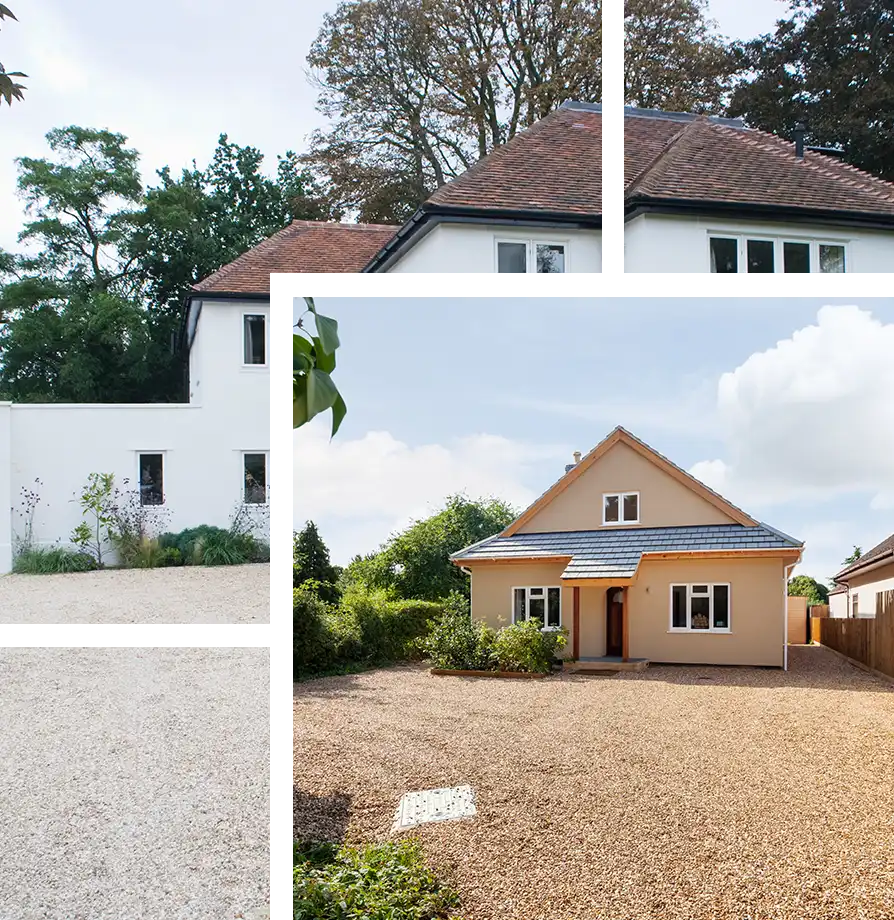
If your front driveway sends rainwater toward the street, it can create drainage problems and may mean planning permission is needed before work begins. Many homeowners only discover this after choosing a surface, which can delay the job or force a costly rethink. We help Kent homeowners reduce that risk with permeable driveways that let water drain through the surface or into the prepared sub-base below. Instead of running onto the road, rainfall is managed more effectively on your property. We install resin-bound, gravel, and permeable block paving across Kent.
WHY CHOOSE LED Construction FOR YOUR Permeable Driveways
Pricing depends on the area size, the material you choose, and the condition of the existing ground. We quote in writing after the site survey. Call or email to arrange it, and we’ll confirm what’s involved for your specific property.
Three Ways To Book A Free Estimate
- Phone: 01795 250 115 (Monday to Saturday, 7:00–21:00)
- Mobile: 07523 090 560
- Email info@ledconstruction.co.uk with a description of the project and we’ll arrange a site survey at a time that suits you.
Frequently Asked Questions
FAQ's About Permeable Driveways
Is my driveway suitable if it's sloped or awkwardly shaped?
Most sites work with one of the three options. Gravel needs good edging on a slope to prevent material movement; we'd discuss this at the survey stage. Resin-bound and permeable block paving handles moderate gradients well. The survey is when we spot anything that would change the approach.
Do permeable driveways look different from standard ones?
Resin-bound surfaces have a slightly textured, contemporary look, no loose stones, no joints. Gravel has a more rural or traditional feel. Permeable block paving is visually identical to standard block paving; the permeable properties are built into the base and jointing, not the surface appearance. All three options are available in a range of colours and finishes.
How long do permeable driveways last?
Resin-bound: 15 to 25 years with occasional cleaning. Gravel: ongoing with periodic top-ups and raking; the membrane and sub-base are the long-term investment. Permeable block paving: 20 or more years when the base is done correctly. All three depend on proper ground preparation. That's where lifespan is won or lost.
Do I need to do anything once it's laid?
Resin: occasional sweeping and light power washing. Gravel: raking to even out movement, occasional top-ups. Block paving: sweeping, optional sealing, and replacement of individual blocks if needed. None of the three requires specialist maintenance.
Does a permeable driveway definitely mean I don't need planning permission?
For most front garden driveways in England, yes. A permeable surface removes the permitted development trigger. However, if your property is in a conservation area or is listed, additional restrictions may apply. We'd flag this at the survey stage. We don't submit planning applications, but we'll tell you honestly if the site raises any questions.